Areas We Serve

Commercial Construction Serving Nashville and Middle Tennessee

Middle Tennessee's growth isn't confined to Davidson County. Some of the most active commercial construction in the region is happening in the counties around Nashville, where land is available and businesses are following residential growth outward. We build across all of it, and we know that each jurisdiction runs plan review, permitting, and inspection its own way.
Nashville and Davidson County

Nashville remains the center of commercial activity in the region: infill retail, adaptive reuse, tenant buildout in existing buildings, and industrial development along the I-24 corridor and the areas around BNA.

Building in Metro means working with Metro Codes and, depending on the site, other Metro departments for stormwater, traffic, and public works review. Infill sites bring their own constraints: tight staging, limited laydown area, and neighbors who notice everything. We plan those logistics before mobilization rather than improvising once trucks are on site.

Our own office is in Old Hickory, inside Davidson County, so this is home ground. Berry Hill, Donelson, Hermitage, Madison, Antioch, and Goodlettsville are all regular working territory.

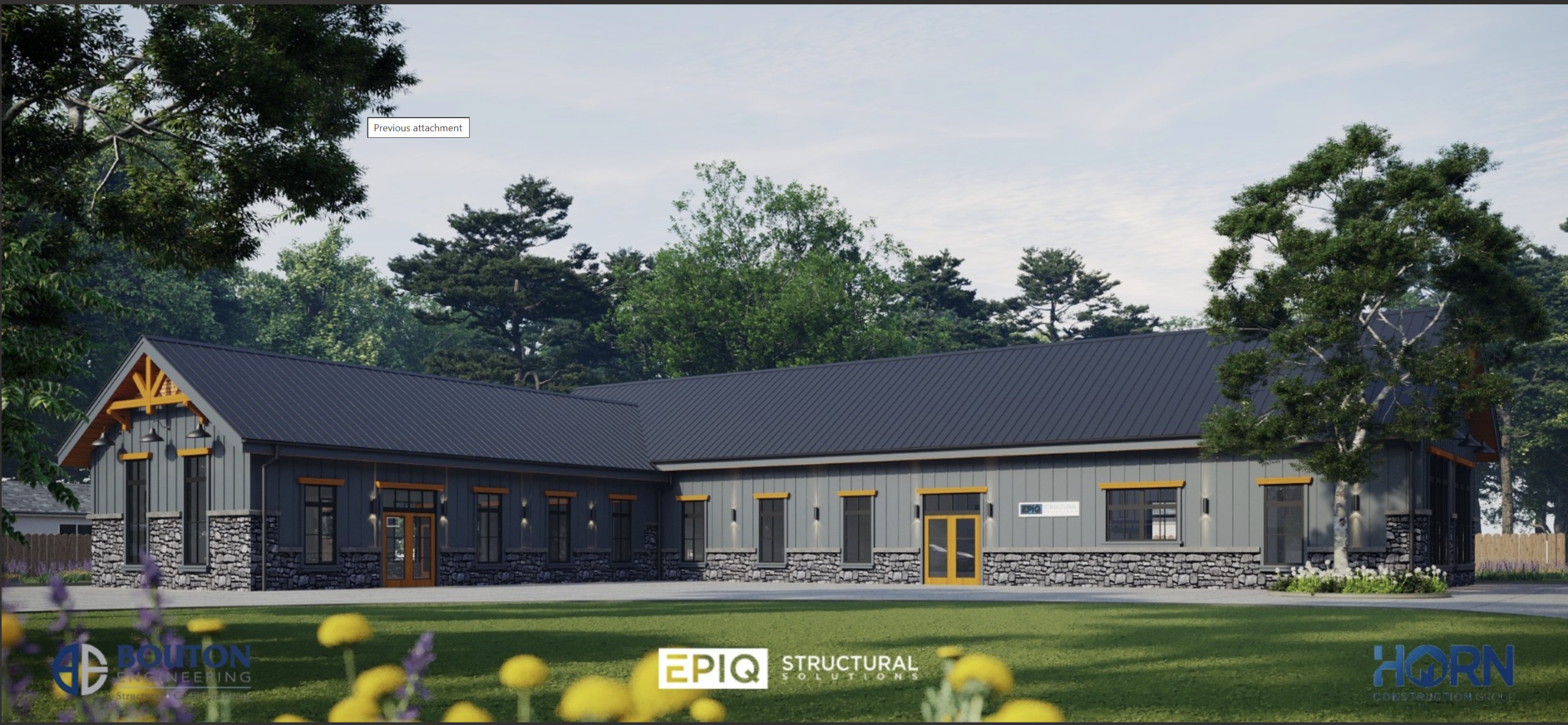
Commercial office building under construction by Horn Construction Group in Berry Hill, Nashville TN

Commercial office project in Berry Hill, Nashville.

Williamson County

Williamson County continues to be one of the strongest commercial markets in Tennessee, driven by corporate relocations and sustained residential growth. Development standards here tend to be more demanding than surrounding counties, particularly around architectural treatment, landscaping, and site design, which affects both budget and review timeline.

Franklin

Franklin maintains its own codes and planning departments, with design review standards that are meaningfully stricter than most of the region. Retail, office, and medical projects here need those requirements factored into budget at conceptual stage, not discovered during review. Facade materials, screening, signage, and landscaping all carry expectations that can move a budget once they are applied to a design that did not anticipate them.

Brentwood

Brentwood's commercial development is concentrated in established corridors, with an emphasis on site design and buffering that shapes what a parcel will actually support. Most work here is office, medical, and retail. Because so much of the available land sits adjacent to residential, setbacks, screening, and traffic access frequently determine the building footprint before the building is designed.

Spring Hill and Nolensville

Both are absorbing significant residential growth, and commercial is following: retail centers, service buildings, and small bay flex serving new rooftops. Spring Hill spans the Williamson and Maury county line, which affects which jurisdiction reviews a given site and can change both the process and the timeline depending on which side of the line a parcel falls.

Rutherford County

Rutherford County is among the fastest-growing counties in Tennessee and one of the most active markets for the work we do: flex, warehouse, manufacturing, and small bay retail. Its position on I-24 and I-840 makes it a natural fit for distribution and light industrial.

Murfreesboro

Murfreesboro handles its own building and codes review, and the pace of development here means submittal quality matters. Clean packages move, incomplete ones sit. The city's growth has driven demand for retail, flex, and industrial space, along with facilities serving the university and healthcare sectors. Site work is often the swing item on a Murfreesboro budget, since grading and stormwater requirements vary considerably across the parcels still available.

Smyrna and La Vergne

Both sit directly on the I-24 industrial corridor, which has made them two of the strongest submarkets in Middle Tennessee for warehouse, distribution, and flex construction. Manufacturing and supplier facilities are well established here, and small bay flex is in short supply. Truck access and circulation tend to drive site layout in both towns, and are worth resolving before a parcel is committed to.

Wilson County

Wilson County has seen substantial industrial and commercial growth along I-40, along with retail following residential expansion.

Mt. Juliet

Mt. Juliet's growth has been among the fastest in the region, and commercial construction has followed: retail centers, service buildings, and flex space serving both residents and businesses relocating from Davidson County. Its position immediately east of Nashville on I-40 means many projects here are driven by companies that want Davidson County access without Davidson County land cost.

Lebanon

Lebanon's position on I-40 supports distribution and manufacturing, with a downtown that has drawn renovation and adaptive reuse interest. We build both new construction and renovation work here. Older downtown structures frequently have sound frames and reusable slabs behind failed envelopes, which makes an honest structural assessment the difference between a viable project and a demolition.

Sumner County

Sumner County commercial development follows the residential growth along the Highway 31E and Vietnam Veterans corridors, with steady demand for retail, medical, and small bay flex.

Hendersonville

Hendersonville's commercial construction is largely retail, medical, and service: buildings serving an established residential base. Sites along the main corridors carry access and traffic considerations worth resolving early, since curb cuts and turning movements on a busy corridor can constrain a site plan more than the zoning does.

Gallatin

Gallatin has drawn significant industrial and manufacturing investment alongside retail growth, making it one of the more active markets in the county for the work we do. Larger parcels remain available here relative to the counties closer to Nashville, which is part of why industrial users keep looking at it.

Permitting Requirements by Jurisdiction

There's no single Middle Tennessee permitting process. Some cities run their own building and codes departments; elsewhere, county review applies. Requirements diverge on plan review turnaround, stormwater and detention, landscaping and buffering, architectural standards, fire marshal review, and how much can be submitted concurrently versus sequentially.

That variation is worth understanding before you buy a site, not after. A parcel that works easily in one jurisdiction can require substantially more site work, design treatment, or review time a few miles away, and that difference shows up in both budget and opening date.

We handle permit submittal and coordination on the projects we build, and during pre-construction we'll tell you what the reviewing jurisdiction is likely to require on your specific site.

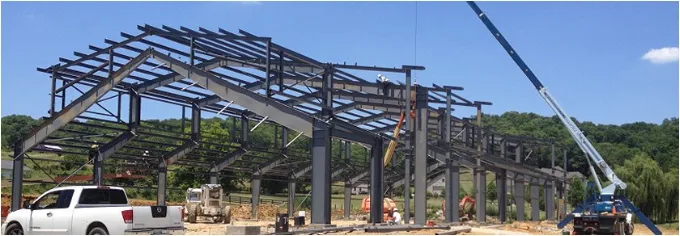
Commercial project under construction by Horn Construction Group in Middle Tennessee
Next Step

Request a Consultation in Your Area

Tell us where the site is and what you're planning. We'll tell you what it takes to build there.